Chronic diseases such as diabetes, hypertension, and heart disease affect millions worldwide, posing significant challenges for patients and healthcare providers alike. Managing these conditions requires continuous monitoring, timely interventions, and personalized care plans. This is where Remote Patient Monitoring (RPM) steps in, transforming chronic care management by leveraging technology to improve patient outcomes and reduce healthcare costs.
What is Remote Patient Monitoring (RPM)?
RPM involves the use of digital devices to collect health data from patients in real-time or near real-time, which is then transmitted to healthcare providers for analysis. Devices such as glucose monitors, blood pressure cuffs, pulse oximeters, and wearable sensors enable continuous tracking of vital signs and symptoms without the need for frequent in-person visits.
Enhanced Patient Engagement and Empowerment
One of the most significant benefits of RPM is the increased patient engagement it fosters. Patients become active participants in their care by regularly monitoring their health metrics and understanding how lifestyle choices affect their condition. This empowerment encourages adherence to treatment plans and promotes healthier behaviors, which are vital for managing chronic illnesses effectively.
Early Detection and Preventative Care
RPM facilitates early detection of potential health issues before they escalate into emergencies. Continuous monitoring allows healthcare providers to identify abnormal trends or warning signs quickly. For example, a sudden spike in blood pressure or irregular glucose levels can trigger an immediate response, preventing hospitalizations or complications. This proactive approach shifts care from reactive to preventative, improving patient safety and quality of life.
Improved Access to Care
For patients living in rural or underserved areas, accessing specialized care can be challenging. RPM bridges this gap by enabling remote consultations and continuous oversight without requiring travel. This convenience not only saves time and money but also ensures that patients receive consistent care regardless of their location, reducing disparities in health outcomes.
Data-Driven Personalized Treatment Plans
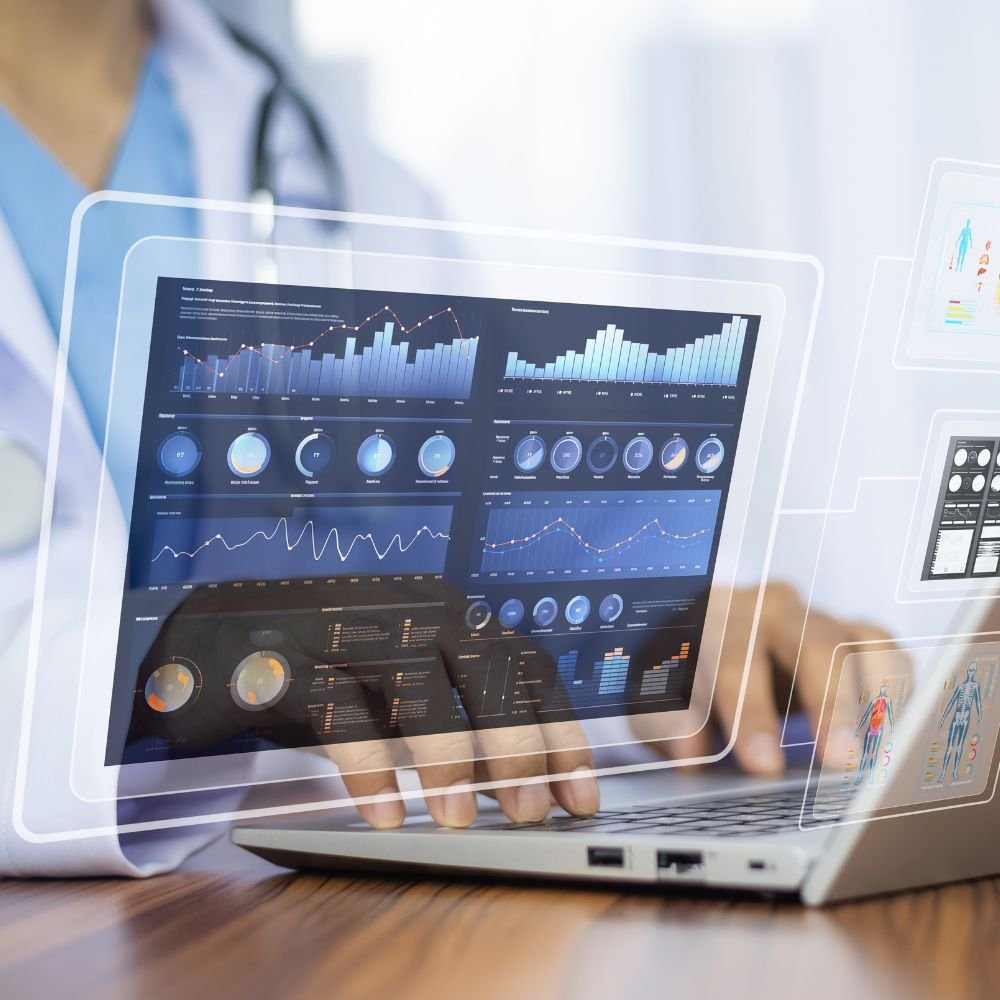
The wealth of data collected through RPM devices allows healthcare providers to tailor treatment plans to the individual’s unique needs. By analyzing trends and responses to medications or lifestyle changes, clinicians can adjust therapies more precisely, enhancing effectiveness and minimizing side effects. This personalized approach is crucial in managing complex chronic conditions where one-size-fits-all solutions often fall short.
Reduced Healthcare Costs
Chronic diseases account for a large portion of healthcare expenditures due to frequent hospital visits, emergency care, and long-term treatments. RPM helps reduce these costs by decreasing hospital readmissions, preventing complications, and minimizing unnecessary office visits. Health systems and insurers increasingly recognize RPM as a cost-effective strategy that benefits both patients and providers.
Challenges and Future Outlook
Despite its benefits, RPM faces challenges such as ensuring data privacy, integrating with existing healthcare systems, and addressing technology literacy among patients. However, ongoing advancements in telehealth infrastructure, regulatory support, and user-friendly devices are rapidly overcoming these barriers.
As healthcare continues to evolve, RPM is poised to become a cornerstone of chronic care management, offering a more connected, efficient, and patient-centered approach. Embracing this technology not only improves health outcomes but also empowers patients to live fuller, healthier lives.